
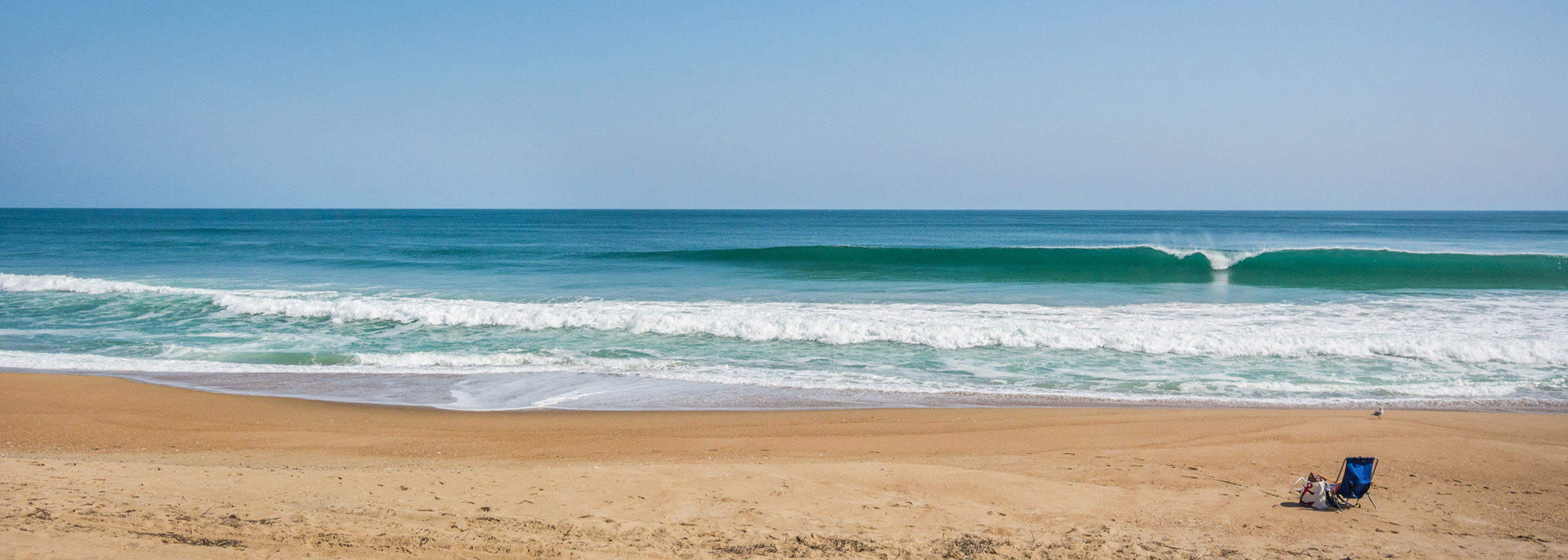
A GLIMPSE INTO OCRACOKE HISTORY
A deep dive into Ocracoke Island's history, tracing pirates, pilots, lighthouses, wartime stories, and the island traditions that still shape village life today.
No matter where you choose as a vacation destination, a coastal gem along the Gulf Coast, a mountain town in Colorado, or a peaceful corner of the OBX, getting to know the history of your destination adds a whole new perspective and fresh eyes to your visit.
If you're a history buff heading to Ocracoke Island, lucky you! This North Carolina treasure has a way of holding onto its past. Not behind glass or tucked into textbooks, but out in the open, woven into everyday life. Old houses sit beside sandy lanes. Stories pass easily from one generation to the next. Even a casual walk through the village carries echoes of sailors, pilots, pirates, and families who shaped the island long before it became a vacation destination.
Accessible only by boat, ferry, or small plane, Ocracoke remains distinct from the rest of the Outer Banks. That separation has helped preserve its character and its history. From maritime trade routes and legendary battles to lifesaving stations and working watermen, the island's story is layered, personal, and deeply tied to the surrounding waters.
Curious about the history of this beloved North Carolina paradise? Here's a small preview to get you started:
- Where Ocracoke's Story Begins: Native American roots, early maps, and how the island got its name.
- Ocracoke Inlet and Pilot Town: The inlet's role in colonial trade and the settlement that guided ships safely inland.
- Pirates, Legends, and the Battle of Ocracoke: Blackbeard's final stand and the lasting lore tied to Springer's Point.
- Lighthouses and Shifting Sands: Early lighthouse attempts and the construction of NC's oldest working lighthouse.
- Lifesaving Stations & the Graveyard of the Atlantic: Rescue efforts along one of the most dangerous coastlines.
- Mail Boats, Ferries, & Connections: How supplies, news, and people reached Ocracoke before modern transport.
- World War II on Ocracoke: Naval defenses, U-boat activity, and the story behind the British Cemetery.
- Architecture, Characters, and Berkley Castle: Sam Jones and Ocracoke's distinctive architectural past.
- Banker Ponies and Island Traditions: The history and preservation of Ocracoke's iconic ponies.
- Community, Conservation, and Working Watermen: Firefighters, land preservation, and the fishermen who keep the island's working waterfront alive.
From the serene satisfaction of waking up to soundfront or harbor views to the joy of a dog-friendly vacation home where every member of the family is welcome, we at Ocracoke Island Realty offer an array of amenities designed to elevate your stay and make your getaway extra special.
Want more tips about Ocracoke Island? Head to our destination blog. As experts in all things Ocracoke, we've got plenty of local insights on year-round events, the best breakfast spots in town, perfect weekend itineraries, Ocracoke's best-kept secrets, and much more.
In this guide, I'll help you take a closer look at the key moments, places, and people that shaped Ocracoke into the destination it is today.
Time to dig into the details!
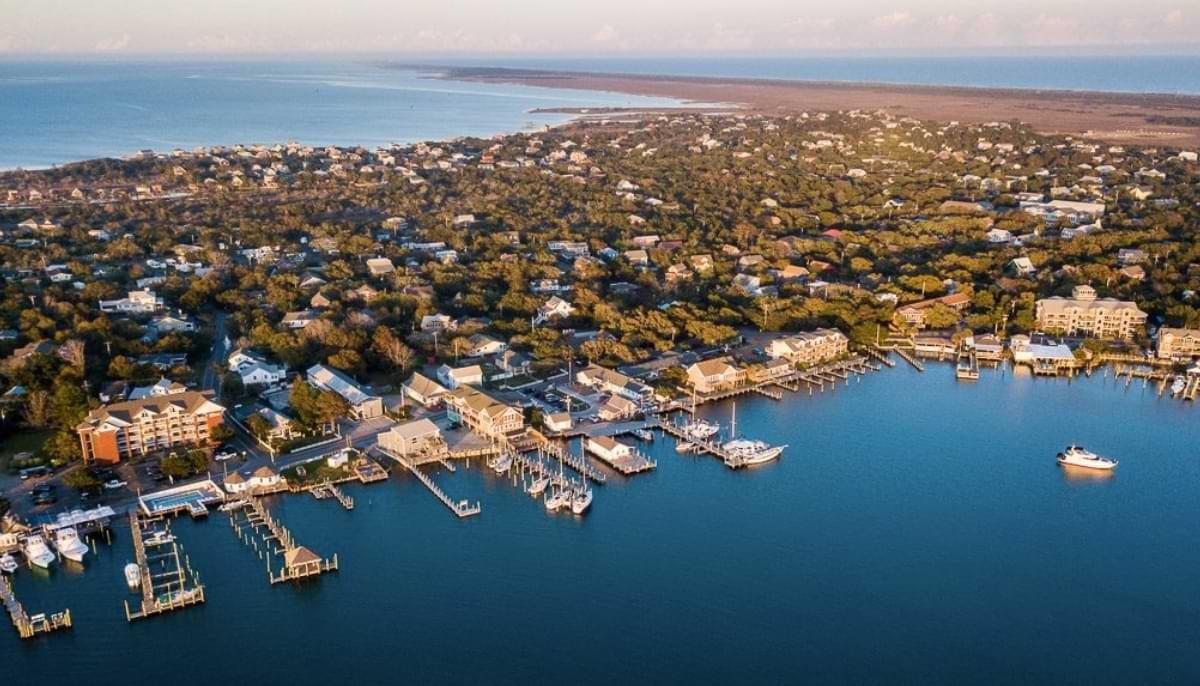
1. Where Ocracoke's Story Begins
The earliest known names for the island were Wococon and Wokokon, reflecting its Native American roots. These names appeared on a 1585 map drawn by Captain John White, an English artist and explorer who sailed with Sir Walter Raleigh's expeditions. Over time, spellings shifted as settlers, sailors, and mapmakers passed through, eventually settling on Ocracoke in 1821.
The pronunciation has stayed consistent among locals. "Ocra" like the vegetable okra, and "Coke" like the drink.
Long before roads or docks, the island served as a waypoint. Its location along the Outer Banks placed it at the center of early navigation routes along the North Carolina coast.
2. Ocracoke Inlet and the Rise of Pilot Town
By the early 1700s, Ocracoke Inlet had become one of the busiest inlets on the East Coast. Ships traveling to and from mainland North Carolina relied on it to access river channels leading inland. Cargo moved through the inlet daily, making the surrounding islands vital to regional trade.
To manage the growing ship traffic, the North Carolina Colonial Assembly passed an act in 1715 to establish inlet pilots on Ocracoke. These pilots were skilled navigators hired to guide ships through constantly shifting sandbars and channels.
This effort led to the creation of Pilot Town, the island's earliest permanent settlement. By the 1730s, pilots and their families had built homes and structures on public land, forming a small but essential community tied directly to the water.
3. Pirates, Legends, and the Battle of Ocracoke
Ocracoke's history includes one of the most famous names in pirate lore.
On November 22, 1718, Edward Teach, better known as Blackbeard, was killed in a naval battle just offshore. British naval forces led by Lieutenant Robert Maynard confronted the pirates near what is now Springer's Point.
The clash, known as the Battle of Ocracoke, ended Blackbeard's reign and cemented the island's place in maritime legend. A nearby fishing spot still carries the name Teach's Hole, a reminder of the encounter that shaped pirate history along the Atlantic coast.
4. Lighthouses and Shifting Sands
Navigating the waters near Ocracoke has never been easy. Shoals, storms, and shifting channels made the area notoriously dangerous.
In 1794, the U.S. Lighthouse Service began construction of a wooden lighthouse on Shell Castle Island, located between Ocracoke and Portsmouth Island. The site was chosen for its proximity to the deepest inlet channel at the time. A keeper's house, docks, warehouses, and even a wind-powered grist mill followed.
Nature had other plans. By 1818, the channel had moved nearly a mile away. That same year, lightning destroyed both the lighthouse and the keeper's house.
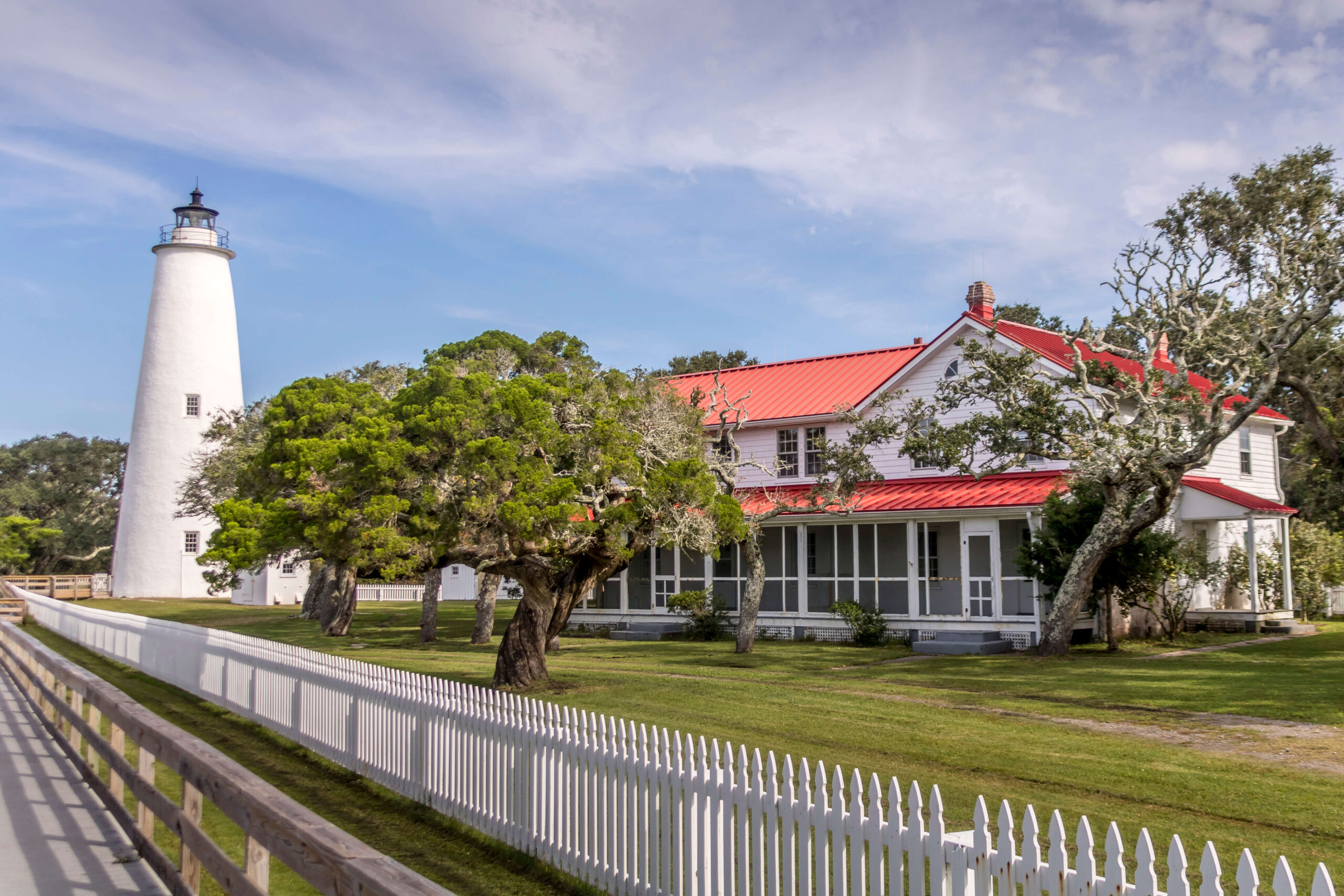
In 1822, the federal government purchased two acres on Ocracoke for a new lighthouse. Completed in 1823, the Ocracoke Lighthouse still stands today. At 75 feet tall, it is the oldest operating lighthouse in North Carolina and the second oldest in the country. Its simple white tower remains one of the island's most recognizable landmarks.
5. Lifesaving Stations and the Graveyard of the Atlantic
The waters surrounding Ocracoke are part of what became known as the Graveyard of the Atlantic, a stretch of ocean responsible for thousands of shipwrecks.
In response, the U.S. Life Saving Service established facilities on Ocracoke in 1883. The first station stood near Hatteras Inlet. A second station followed in 1903 within Ocracoke Village. That building now houses the North Carolina Center for the Advancement of Teaching.
These stations were staffed by crews trained to rescue shipwrecked sailors, often launching boats into dangerous conditions to save lives.
6. Mail Boats, Ferries, and Island Connections
For decades, Ocracoke relied on the sea for communication and supplies.
In 1938, the mail boat Aleta began service between Ocracoke and Atlantic in Carteret County. It carried mail, groceries, freight, passengers, and even freshly caught fish. Its arrival at the docks became a social event, drawing residents together to collect packages, share news, and welcome visitors.
In the 1950s, Hatteras native Frazier Peele launched an early ferry service across Hatteras Inlet, capable of carrying three to four vehicles. This marked a major shift in how people and goods moved to and from the island.
7. World War II on Ocracoke
During World War II, Ocracoke played a quiet but important role in coastal defense.
The U.S. Navy built a base near what is now the southern ferry terminal and visitor center. Radar and sonar towers operated from Loop Shack Hill, scanning nearby waters.
German U-boats patrolled offshore in 1942, sinking several ships along the coast. In response, the British Royal Navy sent armed trawlers to assist in defense efforts.
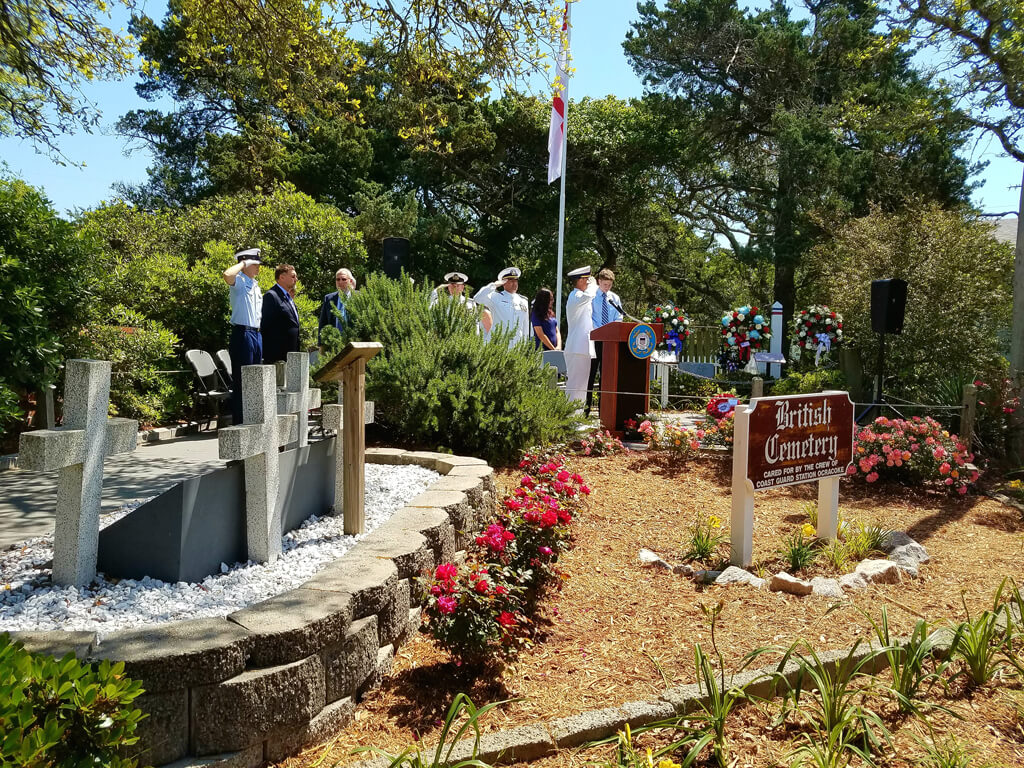
One of those vessels, HMT Bedfordshire, was torpedoed on May 11, 1942. Four sailors lost their lives. They are buried in the British Cemetery on Ocracoke, a small plot of land donated by island residents and recognized as British soil. Each May, a memorial ceremony honors those sailors and others who served during the war.
8. Architecture, Characters, and Berkley Castle
Ocracoke's architectural landscape reflects its layered history.
In the 1950s, industrialist Sam Jones built four distinctive properties on the island, influenced by New England resort architecture and Colonial Williamsburg styles. Jones became known for his larger-than-life personality and deep affection for the island.
One of his most recognizable buildings is Berkley Castle, located on Silver Lake Harbor. Originally used as a guest house, it now operates as The Castle Bed and Breakfast. Listed on the National Register of Historic Places, it remains a landmark known for its character and harbor views.
9. Banker Ponies and Island Traditions
In 1954, Captain Marvin Howard organized the only mounted Boy Scout troop in the country on Ocracoke.
The troop rode Banker Ponies, a breed long associated with the Outer Banks. Some believe these ponies descended from animals brought by early settlers, while others trace their origins to shipwrecks along nearby shoals.
Since 1959, the ponies have been protected and cared for by the National Park Service. The Ocracoke Pony Pasture, located seven miles northeast of the village, offers a glimpse into this enduring island tradition.
10. Community, Conservation, and Working Watermen
Ocracoke's story continues through its people.
The Ocracoke Volunteer Fire Department, founded in 1966, grew through community effort and local support. A new firehouse opened in 2009 on land donated by the Hutcherson family, owners of the Ocracoke Variety Store.
In 2002, the North Carolina Coastal Land Trust established Springer's Point Preserve, protecting more than 120 acres of maritime forest, marshland, and soundfront beach. Once home to Pilot Town and a favorite haunt of Blackbeard, it now serves as a space for quiet exploration.
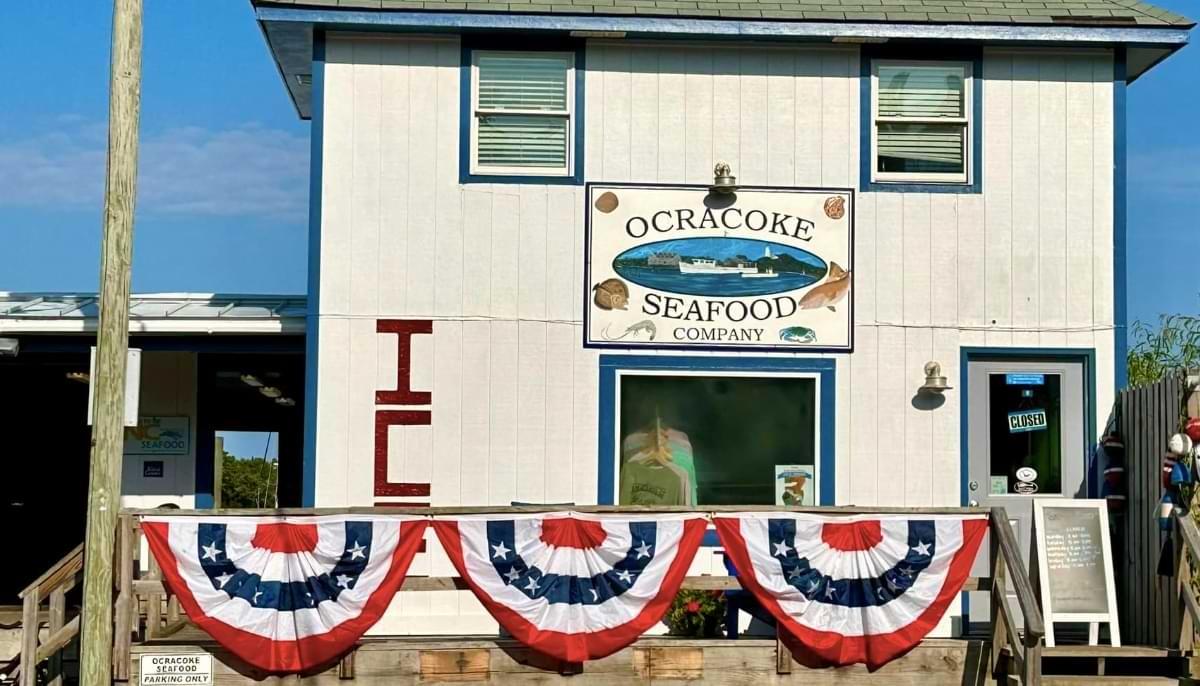
When the island's last fish house went up for sale in 2006, local fishermen formed the Ocracoke Working Watermen's Association. Today, the Ocracoke Seafood Company remains the island's only fish house, preserving a working waterfront and a way of life tied to the sea.
Walking Through History Today
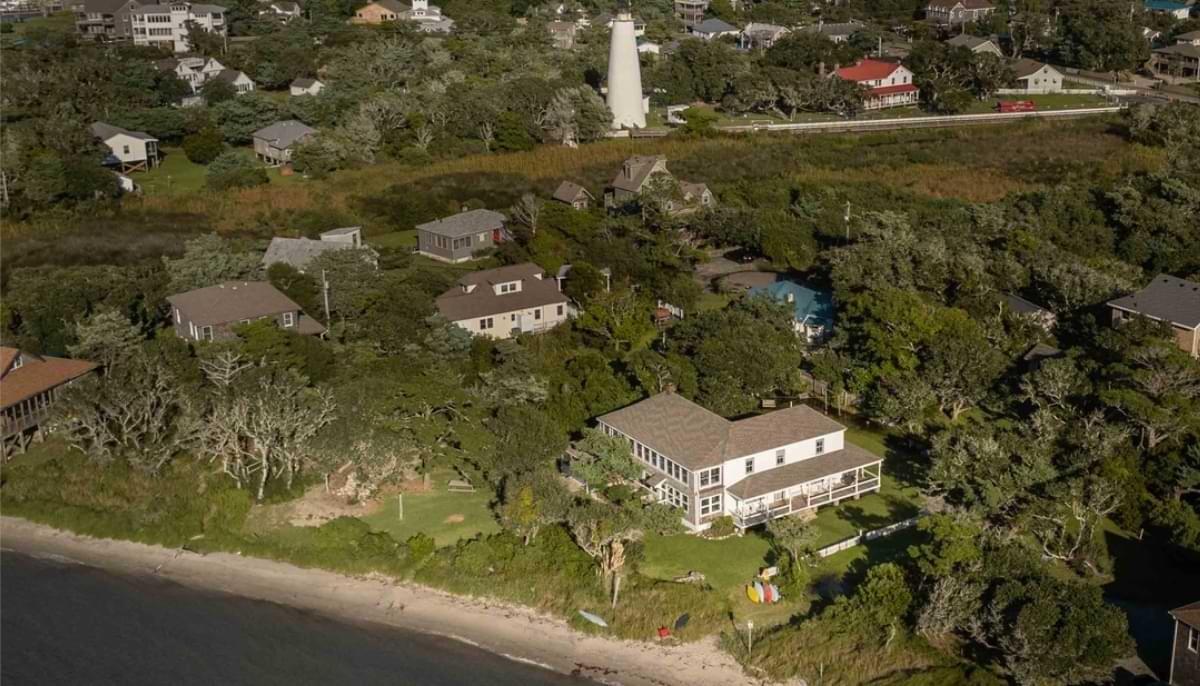
Ocracoke Village invites exploration at an easy pace. Original streets wind past historic homes, small family cemeteries, old live oaks, and weathered fences softened by moss and time. Walking or biking through the village offers a living view of the island's past, still very much part of daily life.
Savor every second of your Ocracoke getaway
Stay like a local with Ocracoke Island Realty, where the island's most inviting vacation rentals are ready and waiting. You'll find waterfront homes with private docks, cozy cottages that welcome pets, and roomy spots with pools perfect for lazy afternoons. Every house has its own personality since each one is individually owned, so you get a place that truly fits your style. And if you need help choosing, our team of year-round locals is great at matching guests with the right home.
Curious what's waiting for you? Take a look at our rentals and find your match.